JERRARA POWER
Project Objectives
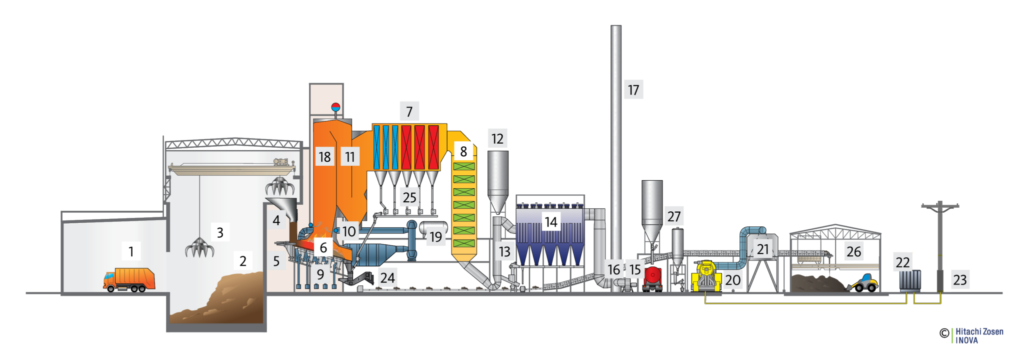
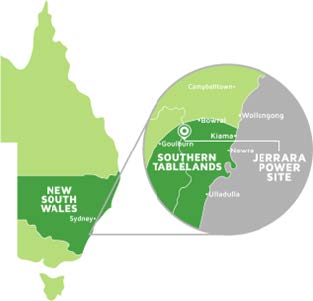
The Jerrara Power energy from waste facility located near Bungonia in NSW will have the capacity to thermally treat up to 330,000 tonnes per year of residual municipal, commercial and industrial waste that would ordinarily be directed to landfill, generating up to 30 megawatts of baseload renewable electricity, or to enough to power 43,000 homes.
The project will also increase local employment, procurement and training opportunities, and reduce greenhouse gas emissions by about 524,000 tonnes per year, which is equivalent to taking 114,000 cars off the road. Jerrara Power will design, site and operate the facility to minimise the impact to the community and environment.
Our Role
- Identify key community and stakeholder issues and develop a comprehensive Communication and Stakeholder Engagement Plan.
- Plan and deliver a range of engagement initiatives including a series of community scoping workshops to identify community concerns and issues for consideration during preparation of the Environmental Impact Statement (EIS), phone surveys of residents to determine resident attitudes and perceptions towards energy from waste and the creation of a Community Reference Group to facilitate ongoing engagement.
- Plan, design and deliver a range of stakeholder communication including a project website, 1800 number community hotline, project email inbox, social media campaigns, email campaigns to stakeholder database, local print advertising, Council and local MP briefings, letterbox drops, door knocks, face-to-face and online meetings.
Outcomes
Spectrum Comms has successfully delivered stakeholder communication and engagement to support project Scoping and preparation of the EIS to more than 370 individual stakeholders and organisations across 711 properties since the Project was publicly announced in April 2021.
The Scoping Report was submitted to the Department of Planning, Industry and Environment on 22 June 2021 and included details of stakeholder and community feedback from 169 workshop participants, 405 resident phone surveys, 114 community emails, 116 community phone calls, 13 stakeholder meetings, six government briefings and one planning focus meeting with government agencies.